 English
- GERMAN MEDICAL INSTITUTE
- About GMI
- Medical Centres
- Doctors
- Departments29 specialized departments
- Anaesthesiology and Perioperative Medicine
- Cardiac Surgery
- Kardiologie
- Dermatology
- Diagnostic and Interventional Radiology
- Endocrinology
- Gastroenterology
- General Surgery
- Gynaecology
- Haematology and Transplantation
- Histopathology-Cytology
- Infectious Diseases
- Integrative Medicine and Health Care
- Intensive Care Unit
- Internal Diseases
- Medical Oncology
- Nephrology
- Neurology
- Neurosurgery
- Nuclear Medicine
- Oral and Maxillofacial (Neck and Head Surgery)
- Otorhinolaryngology
- Plastic Surgery
- Pulmonology
- Radiation Oncology
- Thoracic Surgery
- Trauma & Orthopaedics
- Urology
- Vascular Surgery
- Cafeteria
- International Patients
- Contact Us
- Check-Up
- Additional ServicesVisas IssuesIn order to undergo treatment in Cyprus, the patient, in addition to obtaining approval and an invitation from a medical institution, must obtain a visa.Remote Patient ConsultationsLet us help you to get an additional competent opinion!Medical Aviation and Special TransportWe will organize an emergency evacuation accompanied by medical personnel.Patient CareHaving a person who can resolve everyday issues and at the same time provide the necessary psychological support to a patient who is going to another country for treatment is extremely important.
- Education
- News
- Extras






Gastroenterology in Cyprus
The Gastroenterology Department at the German Medical Institute (GMI) in Limassol provides modern diagnosis and treatment for the full range of digestive diseases, with particular expertise in advanced therapeutic endoscopy and gastrointestinal oncology. Our gastroenterologist team in Cyprus combines German medical standards with high-definition endoscopy and a multidisciplinary approach.
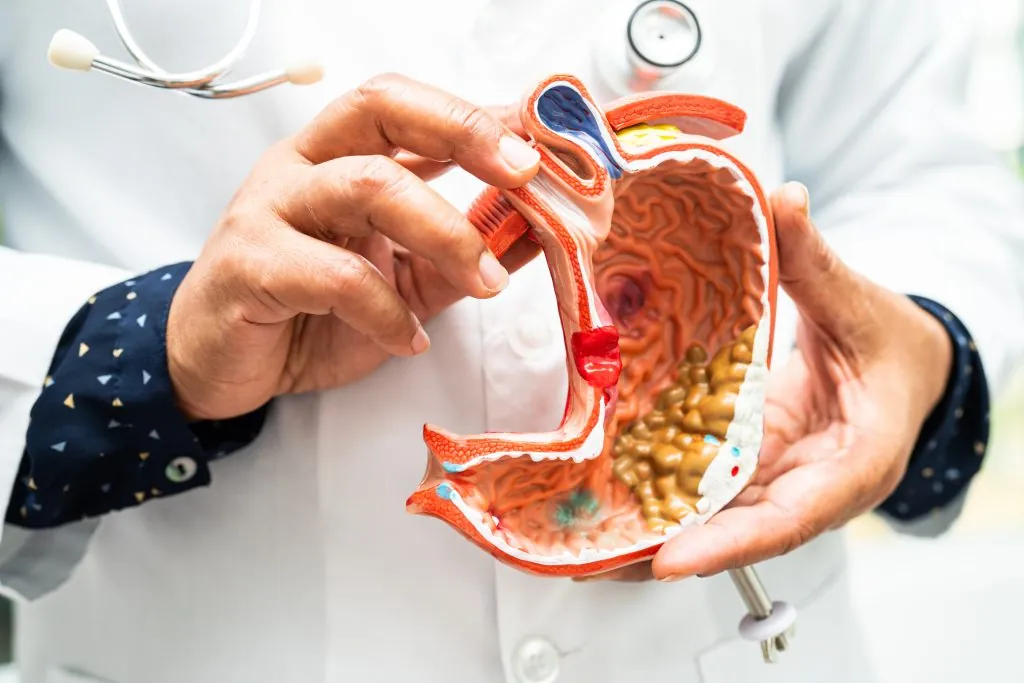
What Conditions Does a Gastroenterologist Treat
Our department diagnoses and treats diseases of the digestive system, including:
• Stomach and oesophagus – gastro-oesophageal reflux disease (GERD), gastritis, stomach and duodenal ulcers, Helicobacter pylori.
• Bowel – Crohn’s disease, ulcerative colitis, polyps and colorectal conditions.
• Liver, bile ducts and pancreas – inflammatory and tumour conditions of the digestive tract.
• GI oncology – diagnosis, staging and endoscopic treatment of early tumours of the digestive system; complex cases are reviewed at the weekly tumour board at the German Oncology Center.
For patients abroad, remote consultations and an expert second opinion on colonoscopy, endoscopy and GI oncology are available through the International Patients Department. Colonoscopy and gastroscopy are performed with high-definition endoscopes, usually under sedation, and patients receive a written report and images.
Our services include:
• Gastroscopy (endoscopy of the esophagus, stomach, and duodenum) with or without collecting biopsies.
• Colonoscopy (endoscopy of the colon and the terminal ileum) with or without taking biopsies.
• Polypectomy/EMR or removal of other benign or malignant tumors of the upper and lower digestive tract.
• Endoscopic hemostasis (treatment of digestive bleeding)
• Cauterization of angiodysplasias of the digestive tract using Argon-plasma.
• Drainage of esophageal varicose veins
• Balloon dilatations of esophageal, gastric, duodenal, ileal, and colonic strictures.
• Placement of bare metal stents under fluoroscopy in esophageal strictures
• Percutaneous endoscopic gastrostomy (PEG) or change of PEG in patients who are unable to be fed orally.
• Endoscopic Ultrasound (EUS) for the staging of upper digestive cancers, investigation/monitoring of submucosal digestive/cystic and other pancreatic tumors, diagnosis of stones and the investigation of extrahepatic bile vessel abnormalities.
• ERCP with sphincterotomy and the removal of stones from the bile vessels/stenting of bile vessel stenoses.
• Small bowel capsule endoscopy (investigation of iron deficiency anemia, suspected small bowel bleeding/tumor).
We closely collaborate with other GMI departments, including Medical Oncology, Radiation Oncology, Radiology, Histopathology and Nuclear Medicine. Our department is part of the weekly GMI Gastroenterology Oncology Board, where a multidisciplinary team comes together to ensure that the treatment plan, we devise for each patient is optimal.
Equipment
The Department of Gastroenterology is equipped with the latest high-definition endoscopes, allowing for the best possible imaging and therefore most accurate diagnosis, leading to better medical care.
- Quick diagnosis
- Complex medical tests
- Early identification and intervention
- Complex surgical interventions
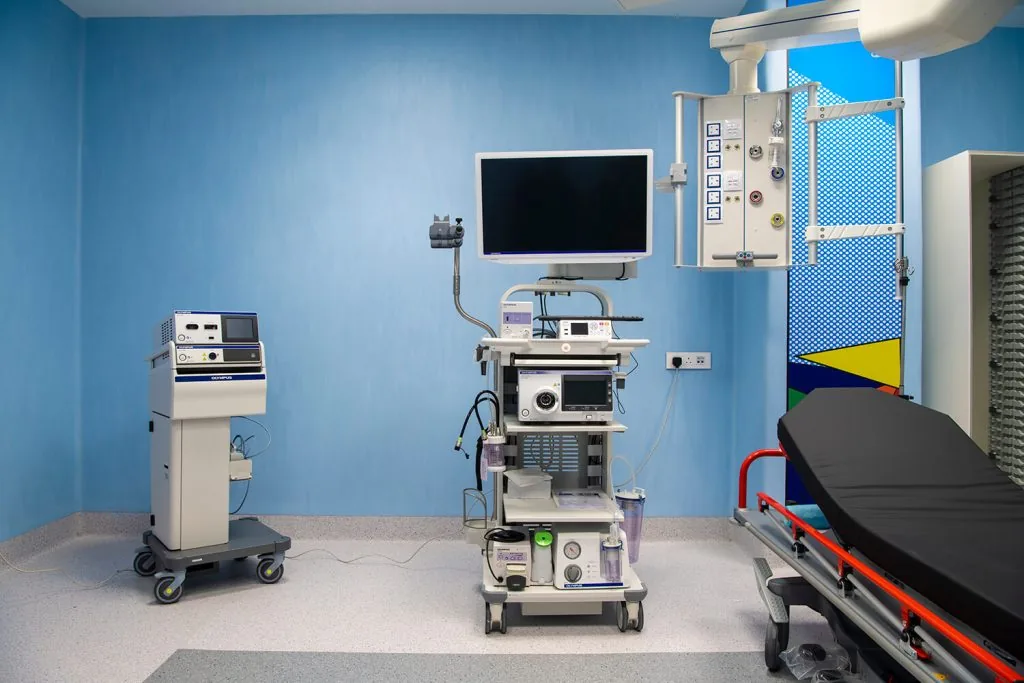
Gastroenterology Department
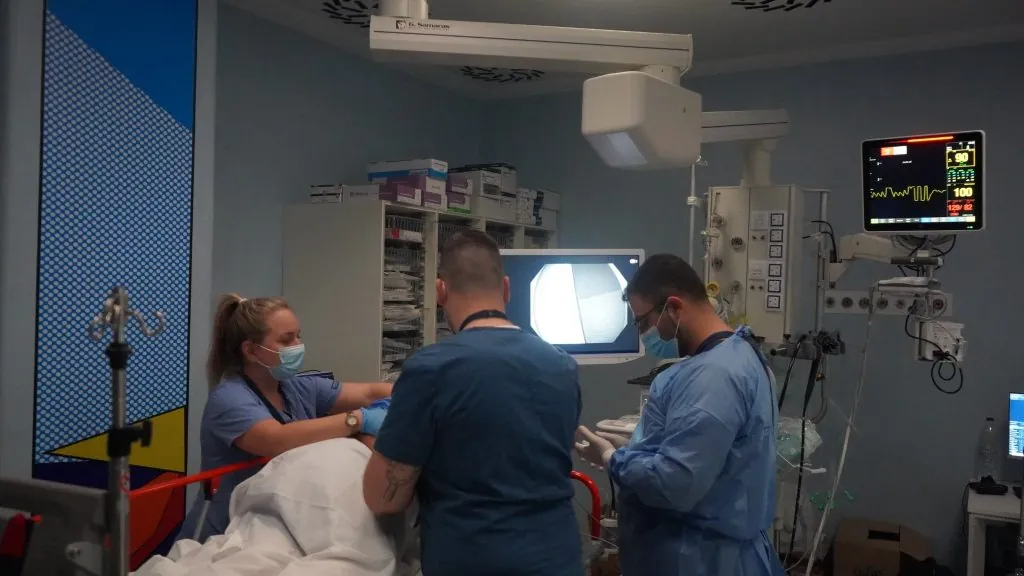
Gastroenterology Department
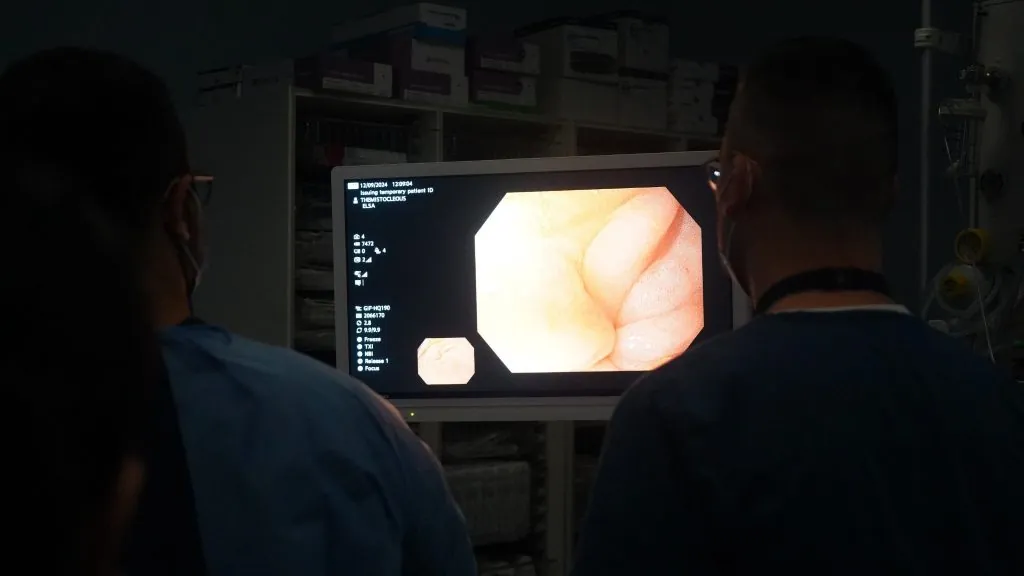
Gastroenterology Department
Detailed Information
Head Doctor