
 English
- GERMAN MEDICAL INSTITUTE
- About GMI
- Medical Centres
- Doctors
- Departments29 specialized departments
- Anaesthesiology and Perioperative Medicine
- Cardiac Surgery
- Kardiologie
- Dermatology
- Diagnostic and Interventional Radiology
- Endocrinology
- Gastroenterology
- General Surgery
- Gynaecology
- Haematology and Transplantation
- Histopathology-Cytology
- Infectious Diseases
- Integrative Medicine and Health Care
- Intensive Care Unit
- Internal Diseases
- Medical Oncology
- Nephrology
- Neurology
- Neurosurgery
- Nuclear Medicine
- Oral and Maxillofacial (Neck and Head Surgery)
- Otorhinolaryngology
- Plastic Surgery
- Pulmonology
- Radiation Oncology
- Thoracic Surgery
- Trauma & Orthopaedics
- Urology
- Vascular Surgery
- Cafeteria
- International Patients
- Contact Us
- Check-Up
- Additional ServicesVisas IssuesIn order to undergo treatment in Cyprus, the patient, in addition to obtaining approval and an invitation from a medical institution, must obtain a visa.Remote Patient ConsultationsLet us help you to get an additional competent opinion!Medical Aviation and Special TransportWe will organize an emergency evacuation accompanied by medical personnel.Patient CareHaving a person who can resolve everyday issues and at the same time provide the necessary psychological support to a patient who is going to another country for treatment is extremely important.
- Education
- News
- Extras






Medical check-up in Cyprus: comprehensive health screening at GMI
A medical check-up at the German Medical Institute is a preventive health screening that follows a set programme. Unlike a routine wellness visit, it brings laboratory tests, diagnostic examinations and consultations with doctors together in one clinic in Limassol. At the end, your check-up doctor explains the results and gives you a written report with personal recommendations.
Cardiovascular disease and cancer remain the leading causes of disability and death worldwide. They often cause no symptoms at first, and without a check-up they are frequently found only at an advanced stage. A check-up helps detect risk factors and disease early, when they are easier to control and treat more effectively.
A preventive check-up, including an annual one, is best arranged on your doctor's advice, taking into account your age, risk factors and previous results, even if nothing is bothering you. Regular examinations are especially important if:
- close relatives have had cardiovascular disease or cancer;
- you smoke or used to smoke;
- you lead a sedentary lifestyle, are often under stress or are overweight;
- you have previously been found to have raised blood pressure, cholesterol or blood sugar;
- you are 40 or older.
Find your check-up programme
Answer 9 short questions — we will suggest a programme that may suit you.
Check-up programmes at GMI
GMI offers three basic check-up programmes. Each is a comprehensive health test with its own goal, scope and duration.
General check-up: heart, blood vessels and metabolism
| Goal | Identify risk factors for cardiovascular disease and draw up an individual plan to correct them |
| Who it is for | Anyone who wants to check their heart, blood vessels and metabolism, especially with a family history of heart attack or stroke, a sedentary lifestyle, constant stress or unhealthy habits |
| Duration | One visit |
| Main areas of diagnostics | Heart and blood vessels, metabolism, liver, kidneys, pancreas and thyroid, blood clotting |
| Difference from other programmes | The shortest programme, with no MRI, CT or endoscopy. It focuses on cardiovascular risk rather than on looking for tumours |
What the programme assesses
The main aim of the General check-up is to detect arterial hypertension, diabetes mellitus and hyperlipidaemia (raised cholesterol and other blood lipids) in time. These conditions cannot yet be cured completely, but they can be diagnosed early and kept under control through lifestyle changes and medication. This helps prevent coronary heart disease, myocardial infarction and stroke.
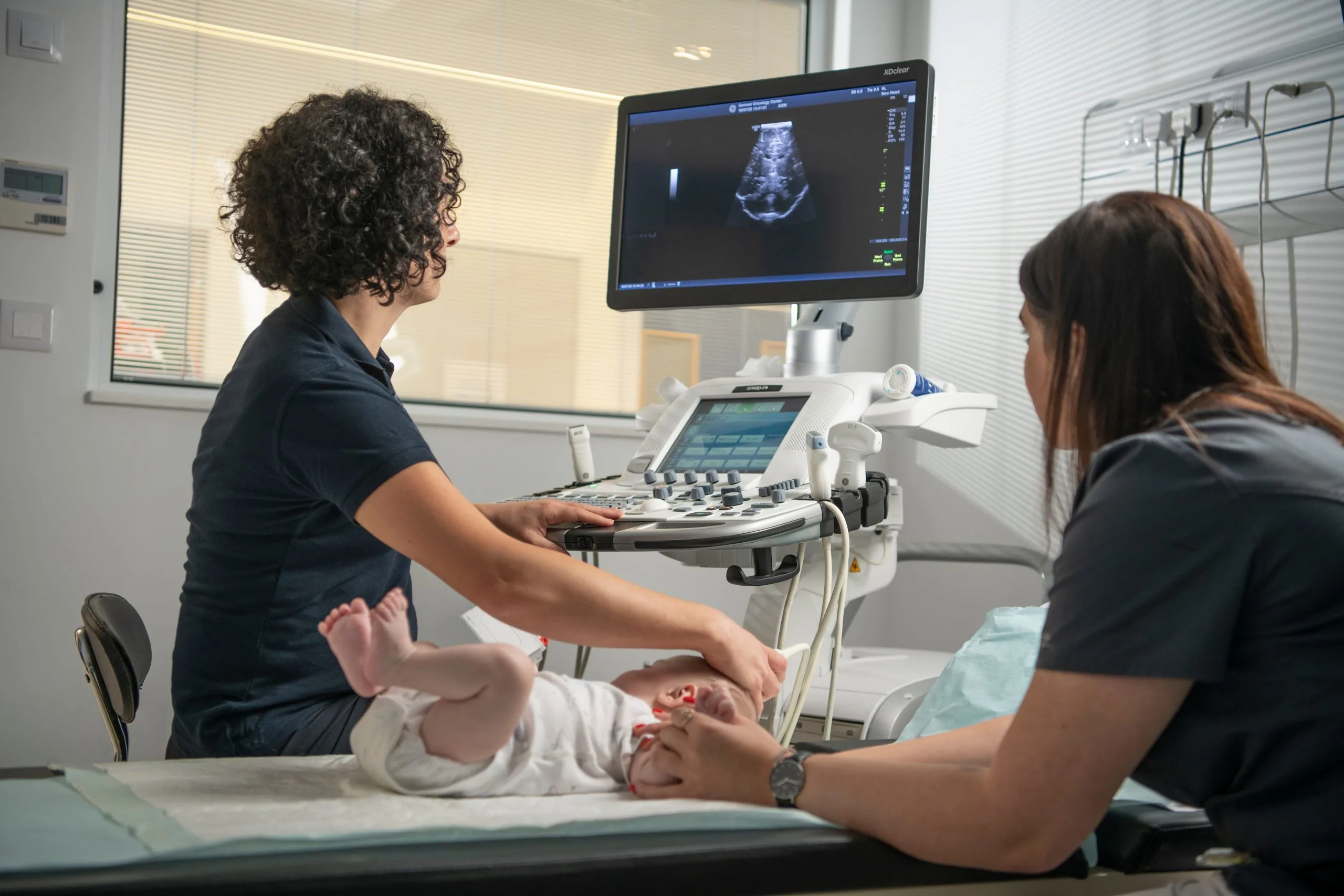
The cardiac examination shows how your heart works at rest and under exercise, and the duplex scan of the neck arteries shows whether there are any narrowings or atherosclerotic plaques. Blood tests and ultrasound assess the thyroid, liver, pancreas, spleen, kidneys and abdominal aorta.
Programme contents
Laboratory blood tests
| Type of test | Parameters |
|---|---|
| Blood count | Detailed full blood count (FBC) |
| Blood biochemistry | Liver. ALT, AST, GGT, alkaline phosphatase, total bilirubin Kidneys. Creatinine, urea Lipid profile. Total cholesterol, HDL cholesterol, LDL cholesterol, triglycerides Carbohydrate metabolism. Glucose, insulin, glycated haemoglobin (HbA1c) Iron metabolism. Iron, ferritin, transferrin Electrolytes and minerals. Potassium, sodium, calcium Other parameters. Total protein, C-reactive protein (CRP), creatine phosphokinase (CPK) |
| Hormone tests | Thyroid. TSH, T3 |
| Vitamins | Vitamin B12, folic acid, vitamin D |
| Coagulation panel | INR, prothrombin index (PI), partial thromboplastin time (PTT), fibrinogen, D-dimer |
Diagnostic examinations and consultations
| Area | Examinations |
|---|---|
| Heart and blood vessels | Cardiologist examination ECG Echocardiography (heart ultrasound) Exercise stress test or coronary CT angiography (as prescribed by the cardiologist) Duplex scan of the neck arteries |
| Ultrasound | Ultrasound of the abdomen and kidneys Thyroid ultrasound |
| Doctor consultations | Initial examination, medical history and personalisation of the programme Final consultation with a review of results and recommendations |
Advanced check-up: early detection of tumours
| Goal | Early detection of cancer through in-depth diagnostic imaging |
| Who it is for | People with a family history of cancer, smokers and, in fact, all adults, as most tumours develop without clear risk factors |
| Duration | One visit (2 days) |
| Main areas of diagnostics | Whole body (MRI), lungs, abdominal organs and kidneys, thyroid, stomach and bowel, skin, and for men the prostate (PSA) |
| Difference from other programmes | Fully focused on cancer diagnostics: full-body MRI, low-dose lung CT, gastroscopy, colonoscopy and a dermatologist examination. Unlike the Full check-up, it does not include the cardiac examination or duplex scanning of the neck arteries, so it suits those whose main priority is cancer surveillance rather than in-depth cardiac assessment |
What the programme assesses
Oncology is one of GMI's core specialities. Unlike the General and Full check-ups, this programme has no cardiac component: its entire scope is directed at looking for tumours and precancerous changes. It is built on diagnostic examinations performed to special protocols: MRI, CT, ultrasound and endoscopy, methods that can reveal changes before the first symptoms appear.
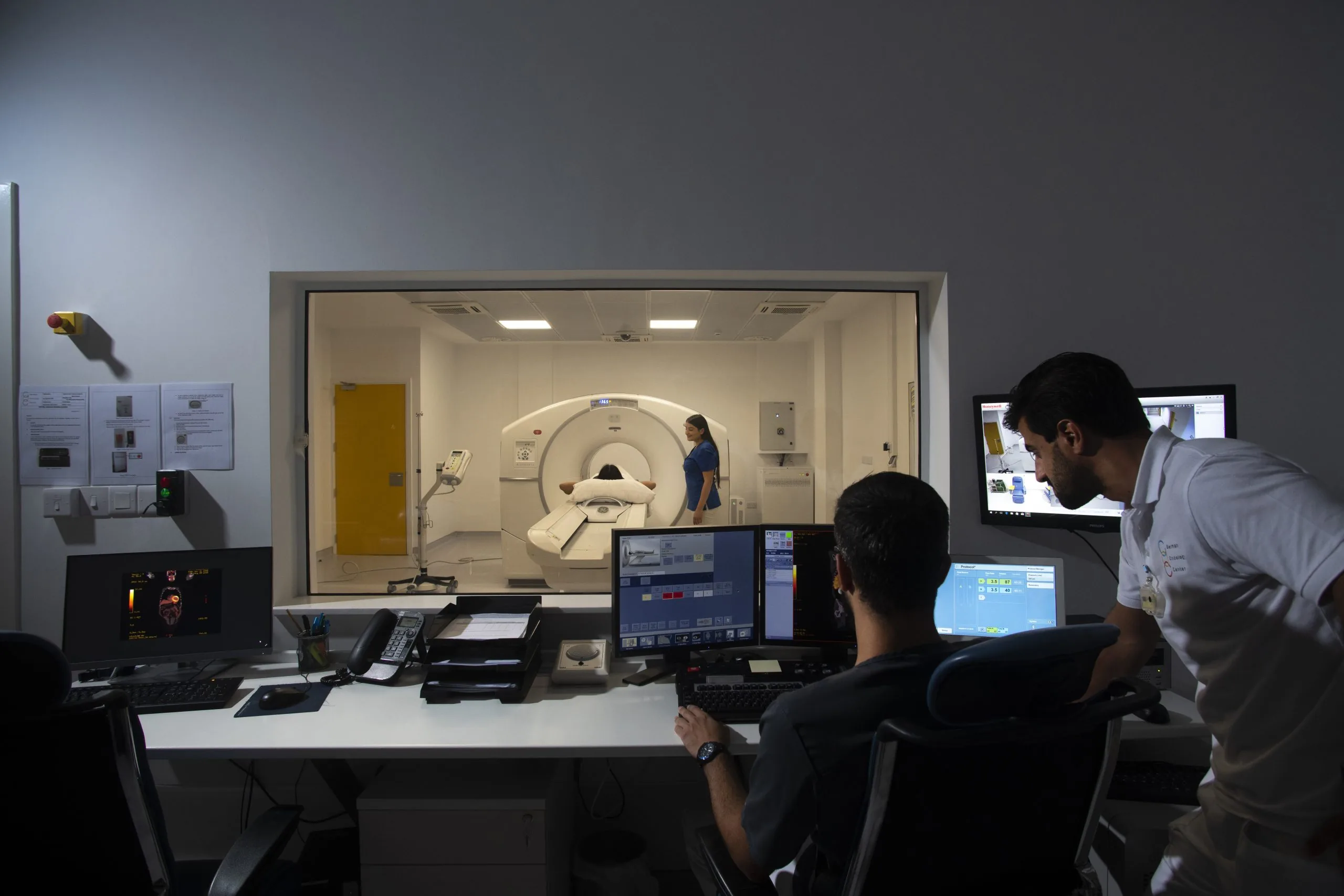
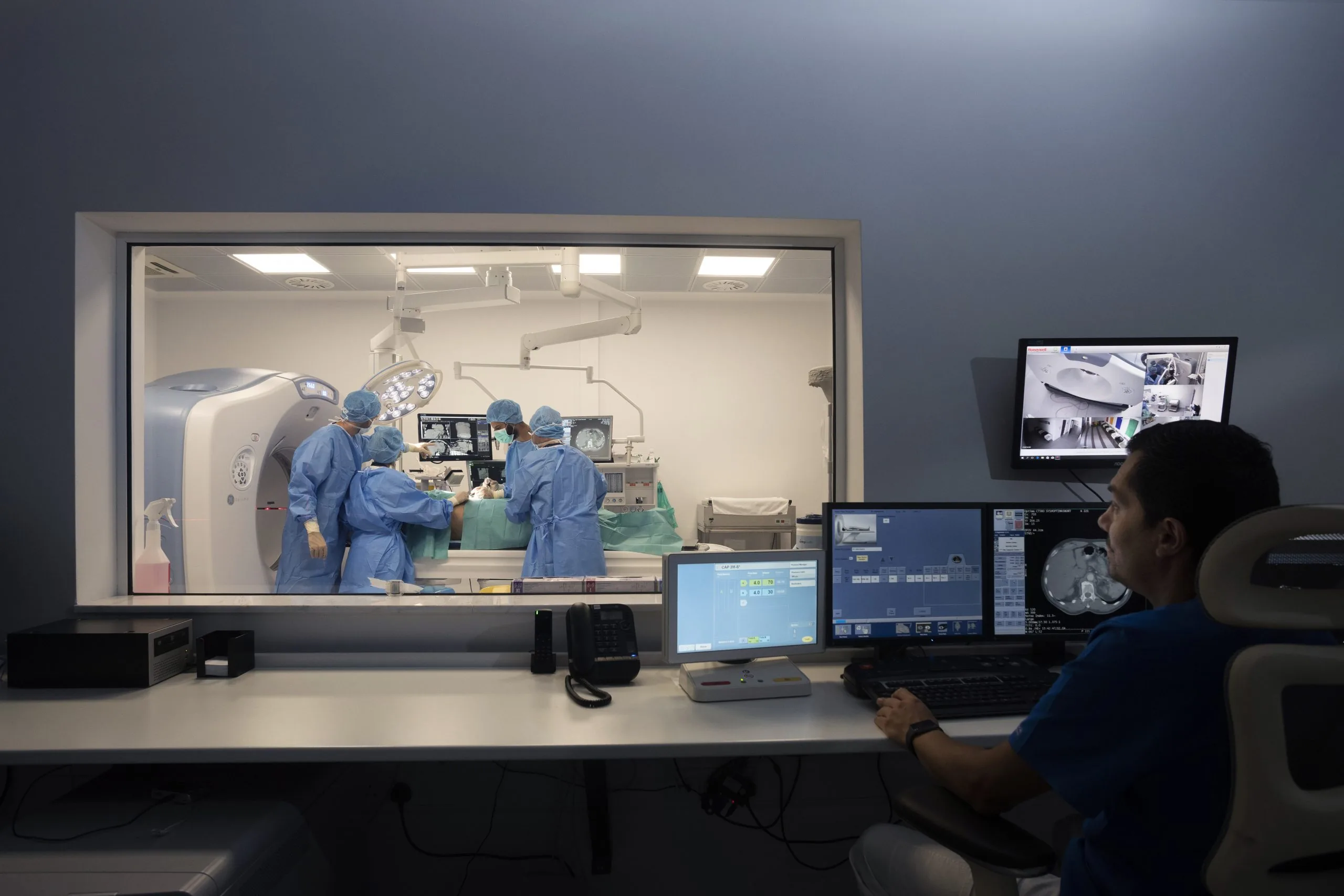
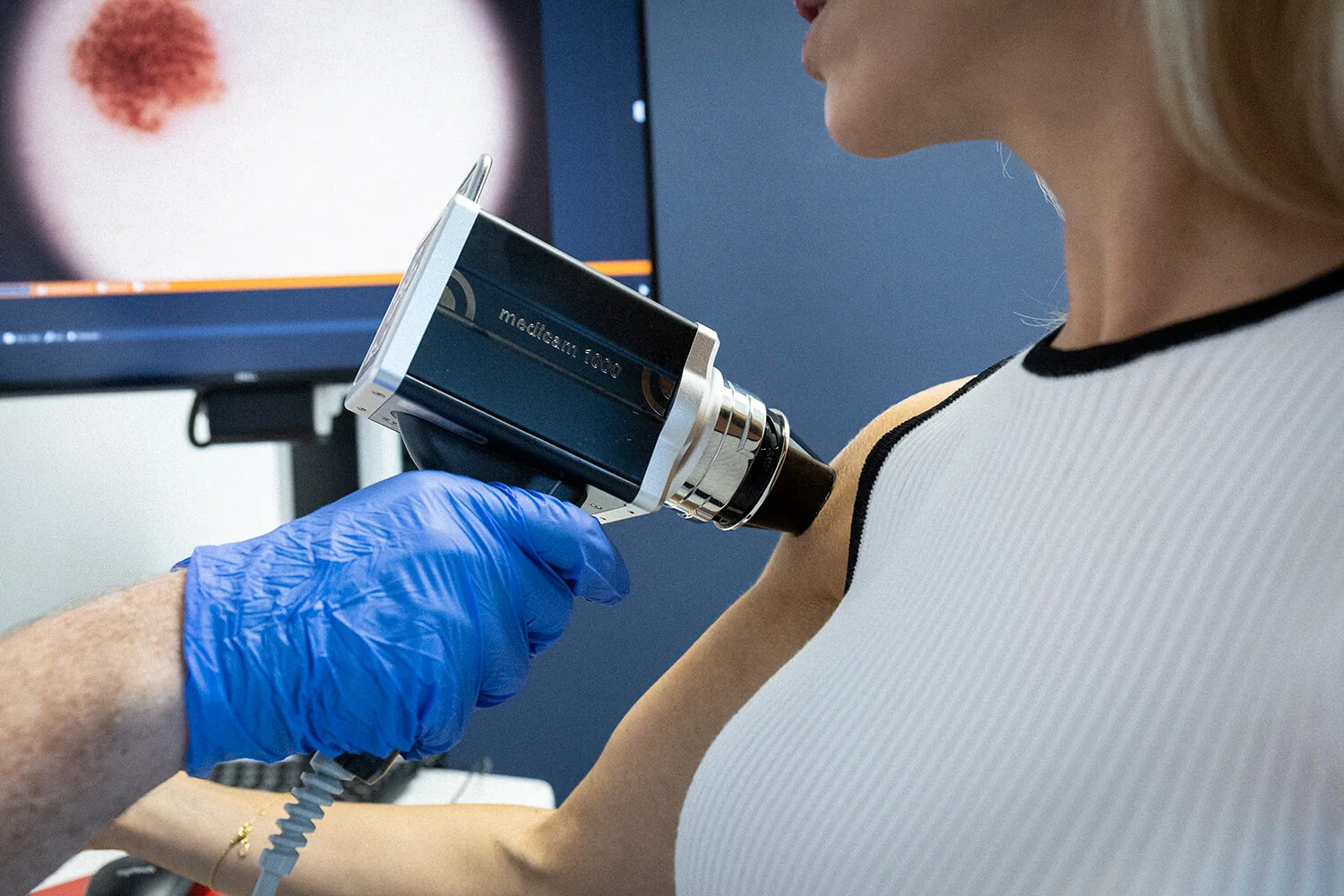
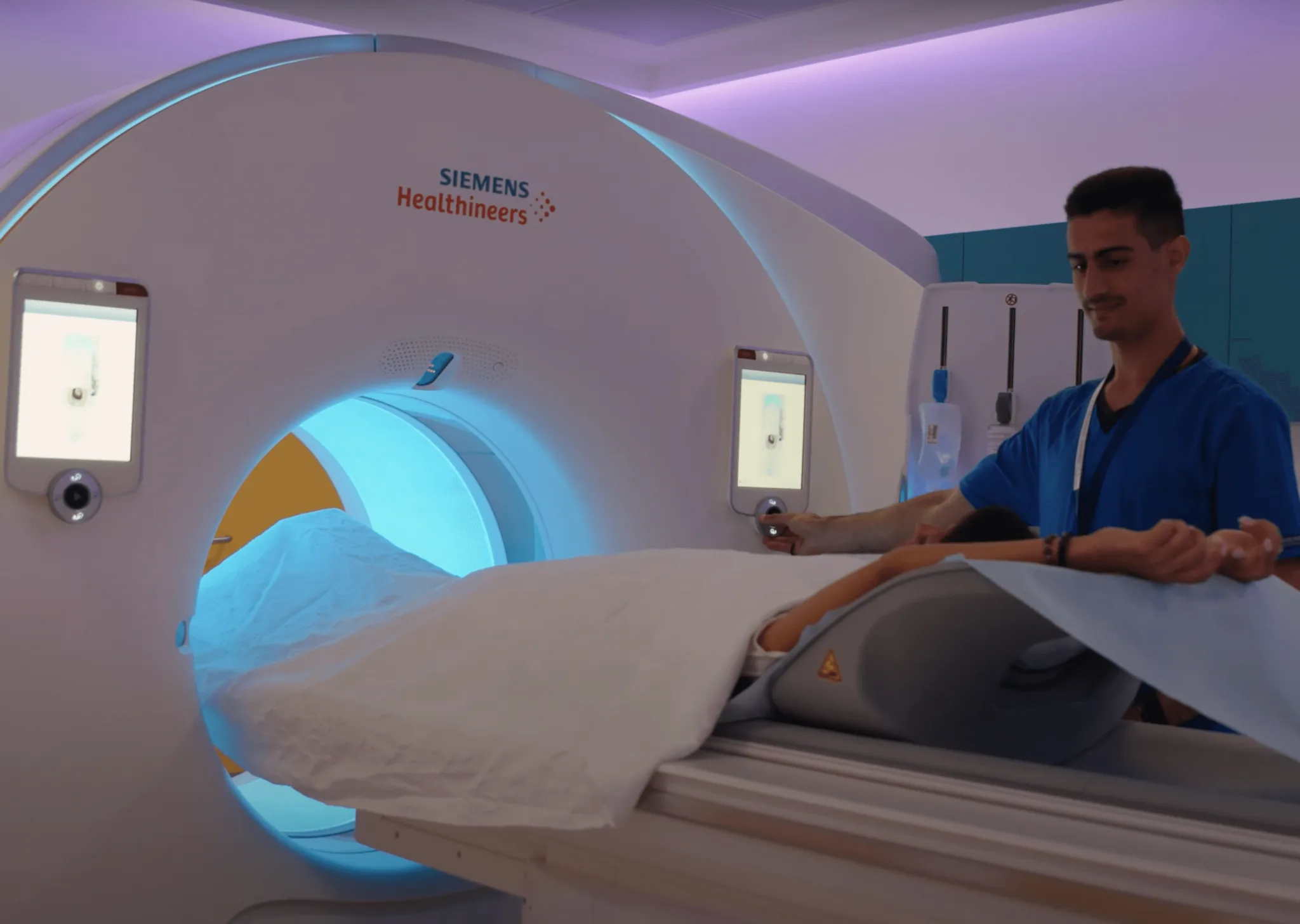
Full-body MRI assesses the internal organs, bones and soft tissues in a single scan without radiation exposure. Low-dose CT allows the lungs to be assessed with a minimal radiation dose. Ultrasound adds a closer look at the abdominal organs, kidneys and thyroid. Gastroscopy and colonoscopy allow the lining of the stomach and bowel to be examined and precancerous changes such as polyps to be identified. The dermatologist examines your skin and maps your moles to assess pigmented lesions and other skin changes.
Programme contents
Laboratory blood tests
| Type of test | Parameters |
|---|---|
| Blood count | Detailed full blood count (FBC) |
| Blood biochemistry | Liver. ALT, AST, GGT, alkaline phosphatase, total bilirubin Kidneys. Creatinine, urea Lipid profile. Total cholesterol, HDL cholesterol, LDL cholesterol, triglycerides Carbohydrate metabolism. Glucose, insulin, glycated haemoglobin (HbA1c) Iron metabolism. Iron, ferritin, transferrin Electrolytes and minerals. Potassium, sodium, calcium Other parameters. Total protein, C-reactive protein (CRP), creatine phosphokinase (CPK) |
| Hormone tests | Thyroid. TSH, T3 |
| Vitamins | Vitamin B12, folic acid, vitamin D |
| Coagulation panel | INR, prothrombin index (PI), partial thromboplastin time (PTT), fibrinogen, D-dimer |
| Tumour markers | PSA (prostate-specific antigen) for men, depending on age |
Diagnostic examinations and consultations
| Area | Examinations |
|---|---|
| Radiology | Full-body MRI Low-dose CT of the lungs |
| Ultrasound | Ultrasound of the abdomen and kidneys Thyroid ultrasound |
| Endoscopy | Gastroscopy under intravenous sedation Colonoscopy under intravenous sedation |
| Skin | Dermatologist examination Mole mapping |
| Doctor consultations | Initial examination, medical history and personalisation of the programme Final consultation with a review of results and recommendations |
Full check-up: complete full-body examination
| Goal | Assess cardiovascular risk and carry out cancer diagnostics within a single programme |
| Who it is for | Those who want to check both their cardiovascular system and cancer risks in one visit, especially if several risk factors are present |
| Duration | One visit (2 days) |
| Main areas of diagnostics | Heart and blood vessels, metabolism, internal organs, thyroid, lungs, stomach and bowel, skin, whole body (MRI), and for men the prostate (PSA) |
| Difference from other programmes | Combines the General and Advanced check-ups. Unlike the Advanced check-up, it additionally includes the cardiac examination and duplex scanning of the neck arteries, the largest scope of diagnostics among the basic programmes |
What the programme assesses
This full-body check-up combines two tasks: assessing risk factors for cardiovascular disease and cancer diagnostics. What sets it apart from the Advanced check-up is the cardiac component, the cardiologist examination and duplex scanning of the neck arteries. It is the most complete of GMI's basic check-ups and, in format, an executive check-up with the maximum range of examinations.
The cardiac examination, duplex scan of the neck arteries and blood tests assess the heart, blood vessels and metabolism. Full-body MRI, low-dose lung CT, ultrasound, gastroscopy, colonoscopy and the dermatologist examination look for tumours and precancerous changes. Gastroscopy, colonoscopy and the final consultation are carried out on the second day.
Programme contents
Laboratory blood tests
| Type of test | Parameters |
|---|---|
| Blood count | Detailed full blood count (FBC) |
| Blood biochemistry | Liver. ALT, AST, GGT, alkaline phosphatase, total bilirubin Kidneys. Creatinine, urea Lipid profile. Total cholesterol, HDL cholesterol, LDL cholesterol, triglycerides Carbohydrate metabolism. Glucose, insulin, glycated haemoglobin (HbA1c) Iron metabolism. Iron, ferritin, transferrin Electrolytes and minerals. Potassium, sodium, calcium Other parameters. Total protein, C-reactive protein (CRP), creatine phosphokinase (CPK) |
| Hormone tests | Thyroid. TSH, T3 |
| Vitamins | Vitamin B12, folic acid, vitamin D |
| Coagulation panel | INR, prothrombin index (PI), partial thromboplastin time (PTT), fibrinogen, D-dimer |
| Tumour markers | PSA (prostate-specific antigen) for men, depending on age |
Diagnostic examinations and consultations
| Area | Examinations |
|---|---|
| Heart and blood vessels | Cardiologist examination ECG Echocardiography (heart ultrasound) Exercise stress test or coronary CT angiography (as prescribed by the cardiologist) Duplex scan of the neck arteries |
| Radiology | Full-body MRI Low-dose CT of the lungs |
| Ultrasound | Ultrasound of the abdomen and kidneys Thyroid ultrasound |
| Endoscopy | Gastroscopy under intravenous sedation Colonoscopy under intravenous sedation |
| Skin | Dermatologist examination Mole mapping |
| Doctor consultations | Initial examination, medical history and personalisation of the programme Final consultation with a review of results and recommendations |
Plan of your stay in the clinic using the example of a full check-up:
Arrival at GMI
Initial medical examination
- external examination,
- personalization of check-up
Examinations
- Ultrasound of abdomen, kidneys
- Duplex scanning of neck arteries
Breakfast
Full body MRI
Examination of a cardiologist
- Echocardiography,
- Exercise stress test/
- Coronary CTA (as prescribed by cardiologist)
Break in the rest room
Examination by a dermatologist
Free time
Arrival at GMI
Gastroscopy, colonoscopy
Breakfast
Final conversation with the doctor
Receiving results
Personalising your programme and additional examinations
The laboratory tests in each programme are a basic set, so the doctor can extend it after the initial examination.
Any programme can be supplemented with examinations it does not include:
- full-body MRI;
- cardiac MRI;
- gastroscopy and colonoscopy;
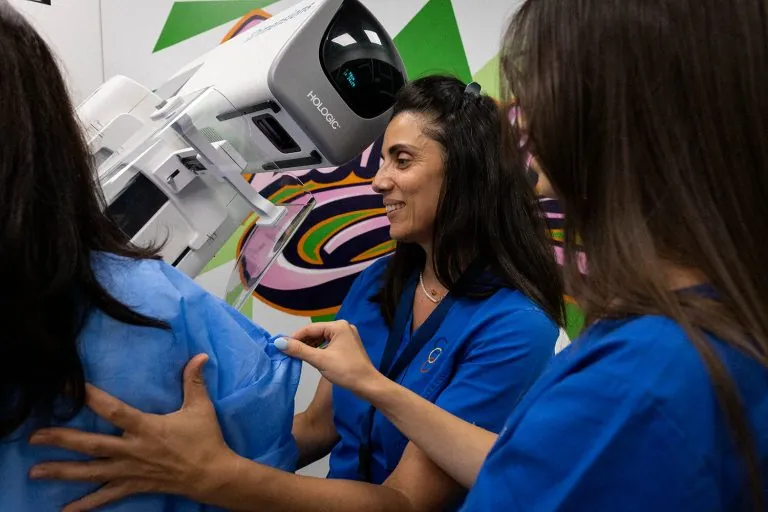
- mammography;
- a consultation with a breast specialist (mammologist), gynaecologist, urologist or andrologist.
Why choose GMI for a health check-up in Cyprus
The German Medical Institute has been operating in Limassol since October 2017. It started as a centre for the diagnosis and treatment of cancer (formerly the German Oncology Center) and later opened departments of cardiac surgery, interventional cardiology, orthopaedics, otorhinolaryngology, plastic and reconstructive surgery and others.
Advantages of a check-up at GMI:
- examinations are carried out by doctors who trained and worked for many years at leading clinics in Germany, the United Kingdom and Italy;
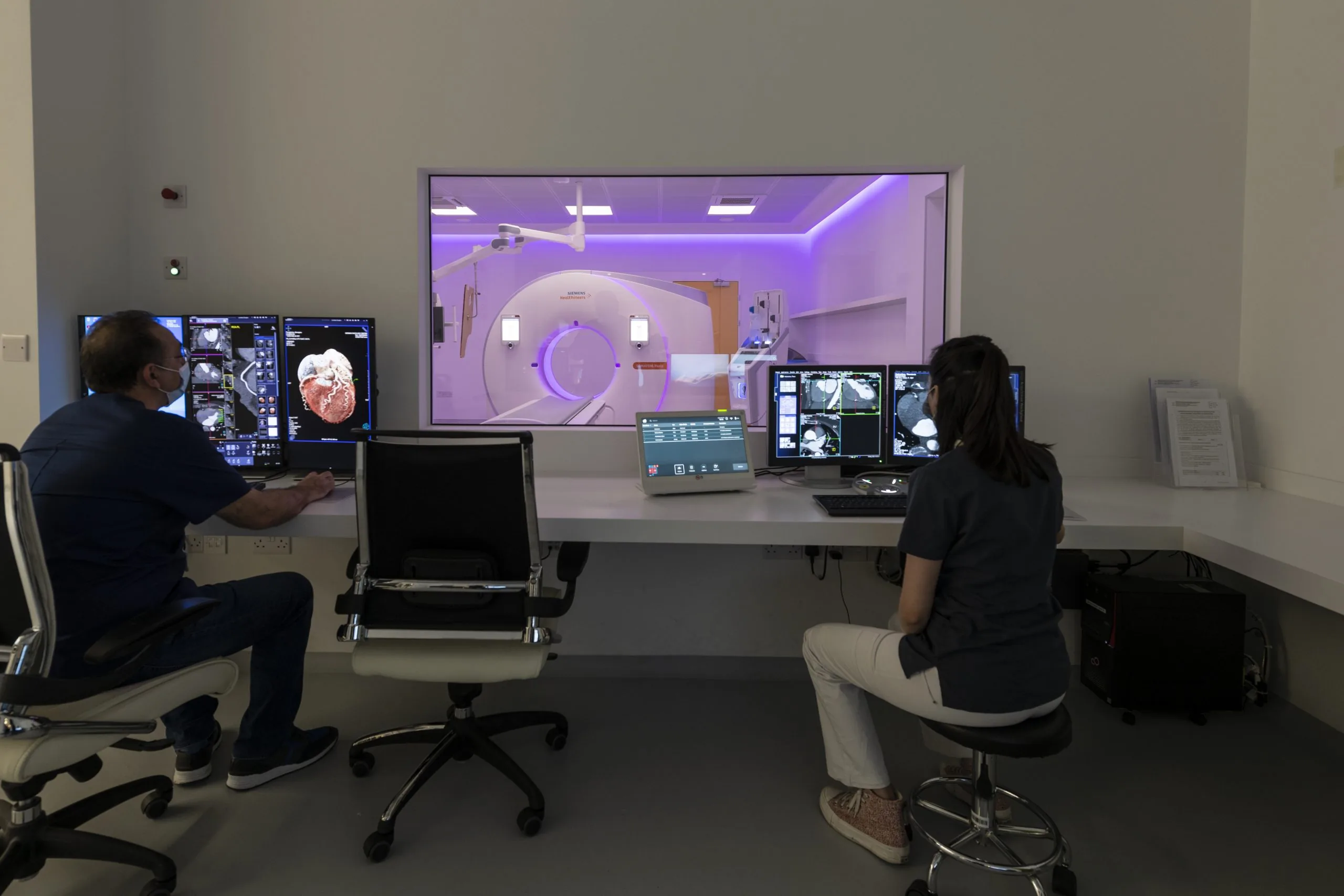
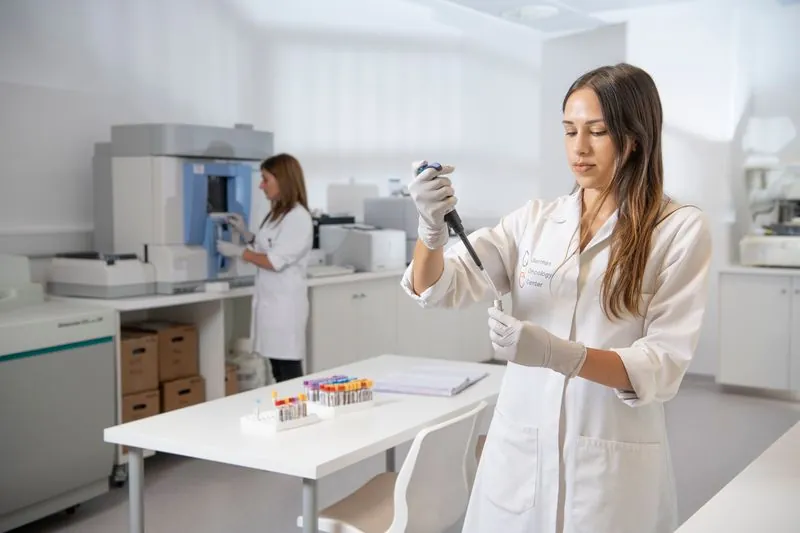
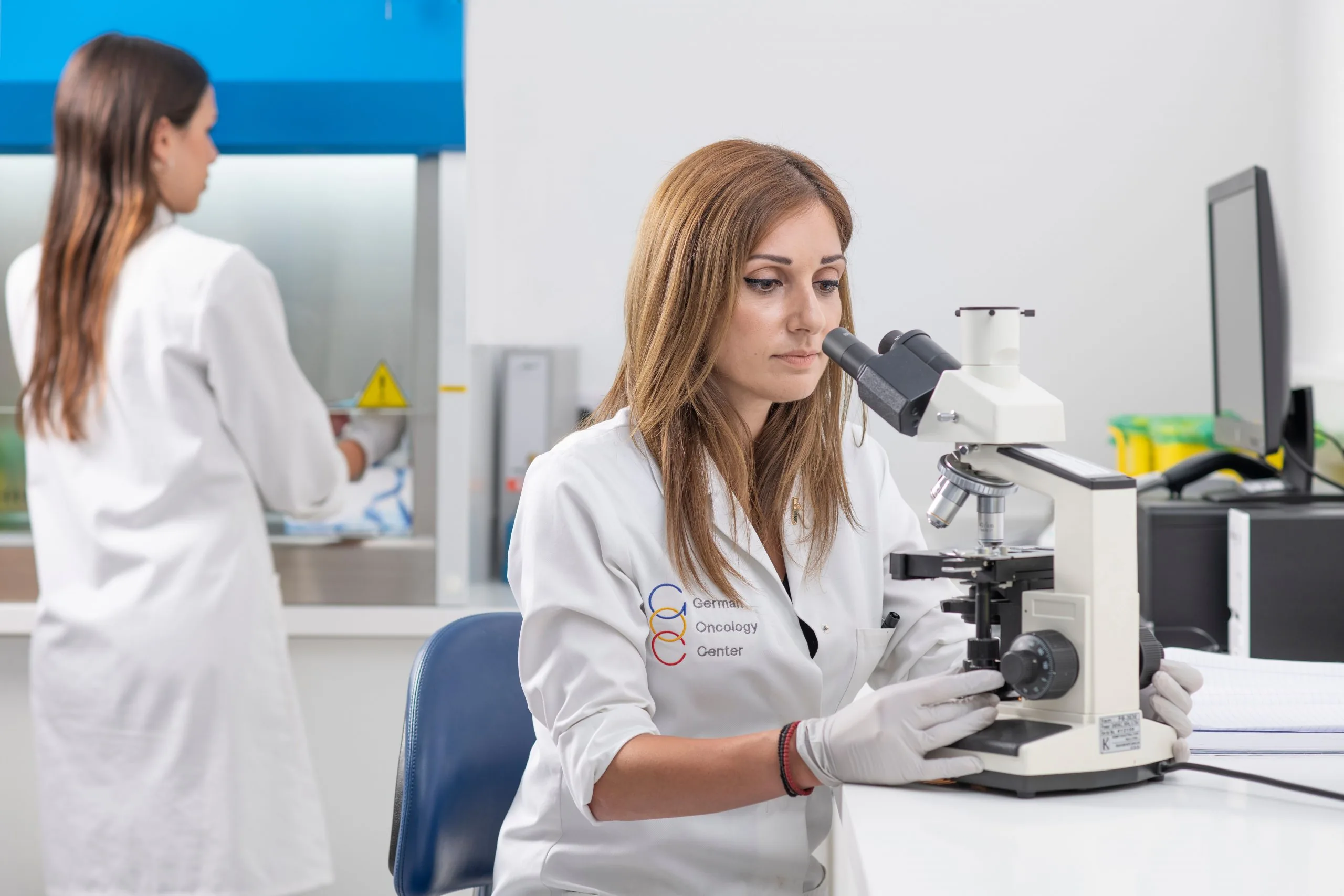
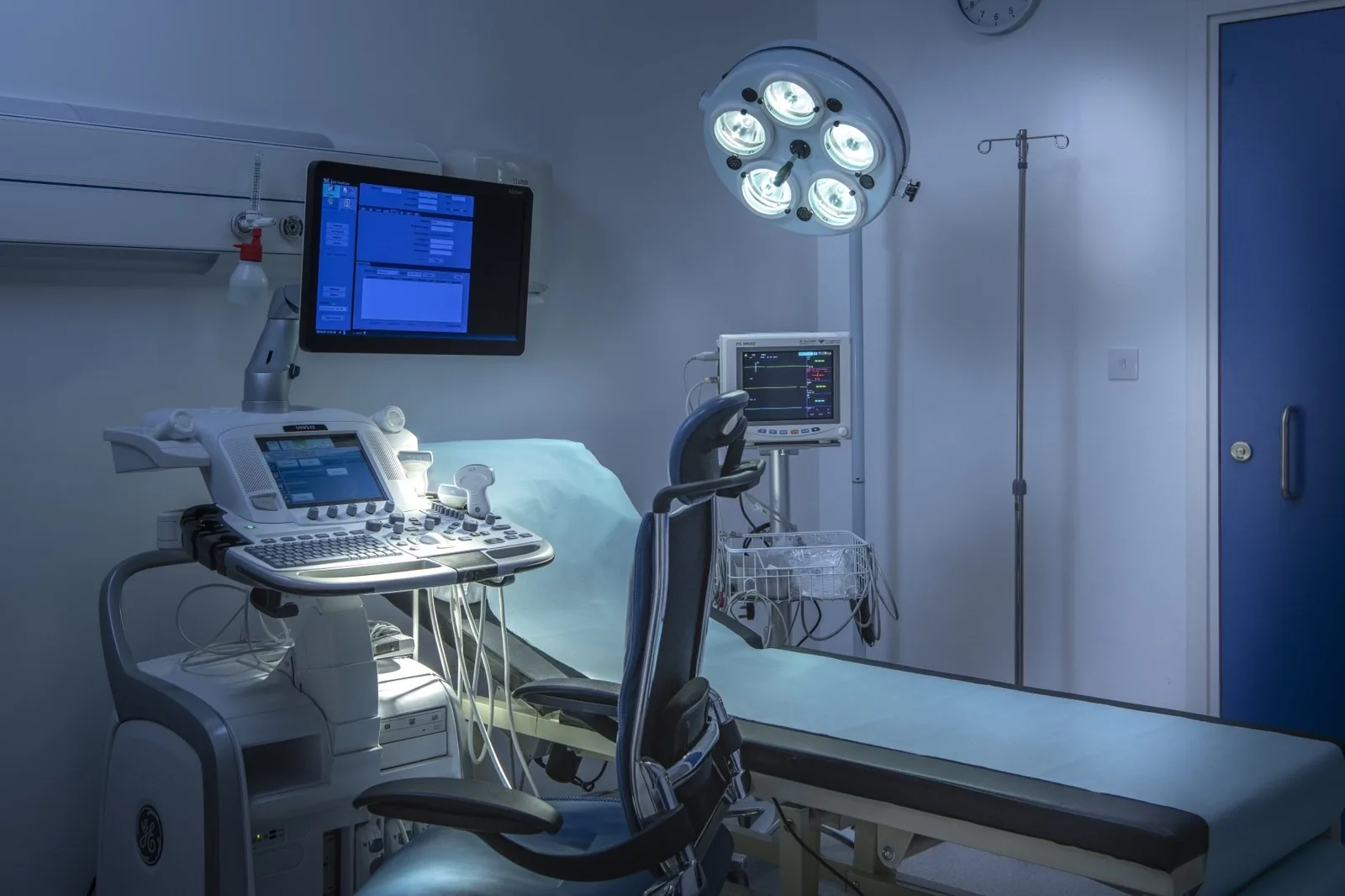
- diagnostics are performed on modern diagnostic and laboratory equipment;
- the doctor prepares the conclusion and recommendations in line with the principles of evidence-based medicine;
- a rest room with a shower is provided during the examination.
For patients from other countries, a medical check-up in Limassol is a convenient way to have a comprehensive check-up in Cyprus in a single trip.
Frequently asked questions about the check-up
How often is a check-up recommended?
How often a check-up is repeated is decided individually by the doctor, based on your age, risk factors and previous results. An annual health check is a common baseline; some tests, such as colonoscopy, are repeated less often, with the interval set from the results of the previous examination.
How should I prepare for the examination?
The examination is carried out on an empty stomach: blood tests and abdominal ultrasound are performed in the first half of the day. Please bring the results of previous examinations and a list of the medicines you take. If your programme includes a colonoscopy, you prepare for it according to the clinic's instructions.
What documents are issued following the examination?
On completion of the programme, at the final consultation the doctor explains the results of the tests and examinations in detail and gives individual recommendations on prevention or treatment. You also receive the records of your examinations on digital media and a folder with the interpretation, conclusion and recommendations.
Are gastroscopy and colonoscopy associated with any pain?
Both procedures are performed under intravenous sedation: the patient is in a medication-induced sleep and feels no pain.
What is the radiation exposure from full-body MRI and lung CT?
MRI does not involve ionising radiation. Lung CT is performed using a low-dose protocol, so the radiation dose is significantly lower than with a standard CT scan.
What are the next steps if abnormalities are found?
If abnormalities are found, the doctor orders further diagnostics and, if necessary, refers you to a specialist. GMI is a multidisciplinary clinic, so further examinations and treatment are carried out on site, without turning to another medical centre.
Answer 9 short questions — we will suggest a programme that may suit you.